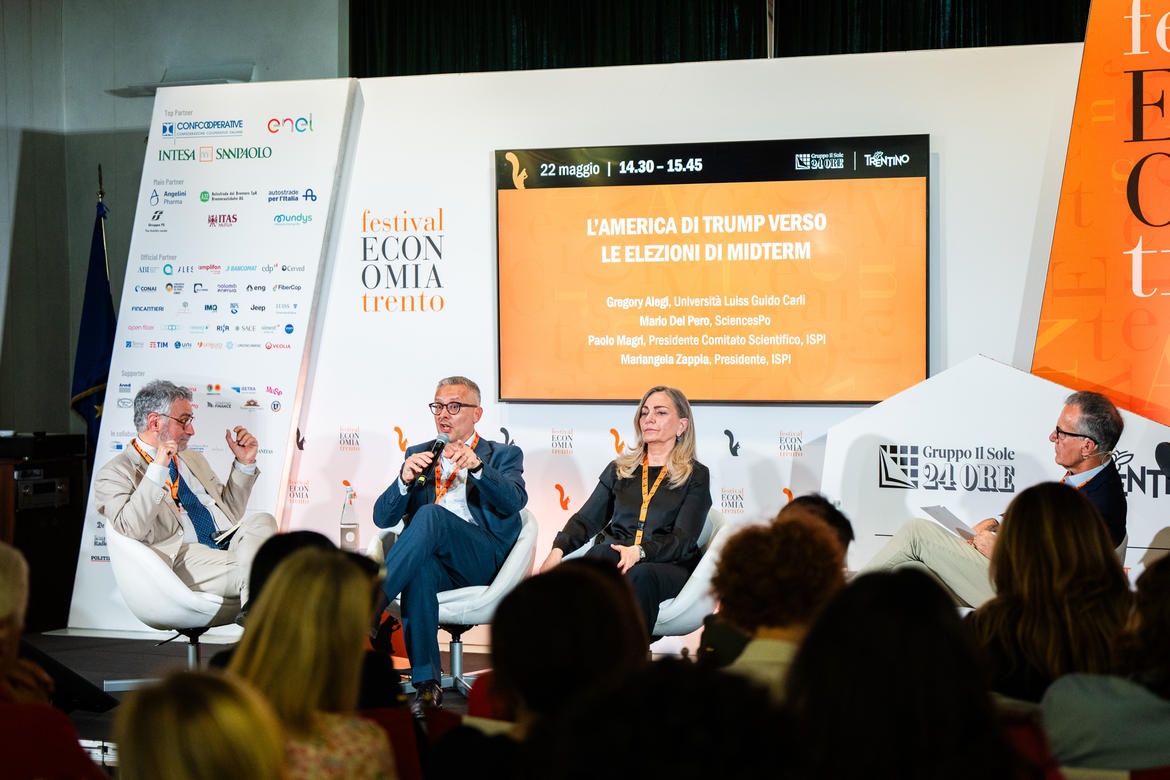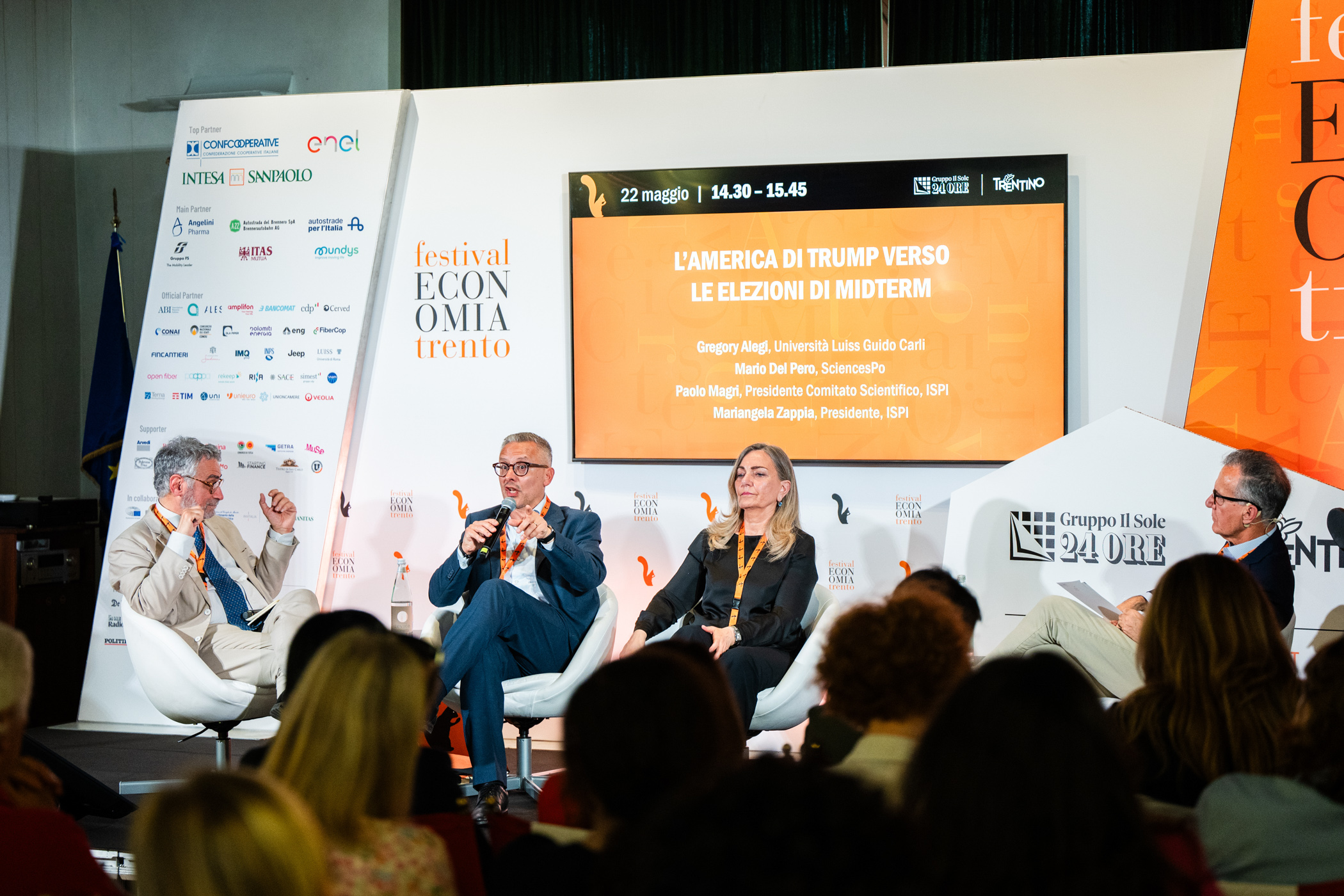






Organized in collaboration with ISPI - Italian Institute for International Political Studies, the panel "Trump’s America Towards the Midterm Election" is part of the Festival’s broader reflection on geopolitics and global leadership. The discussion examined US domestic and foreign policy after 17 months of Trump’s presidency.
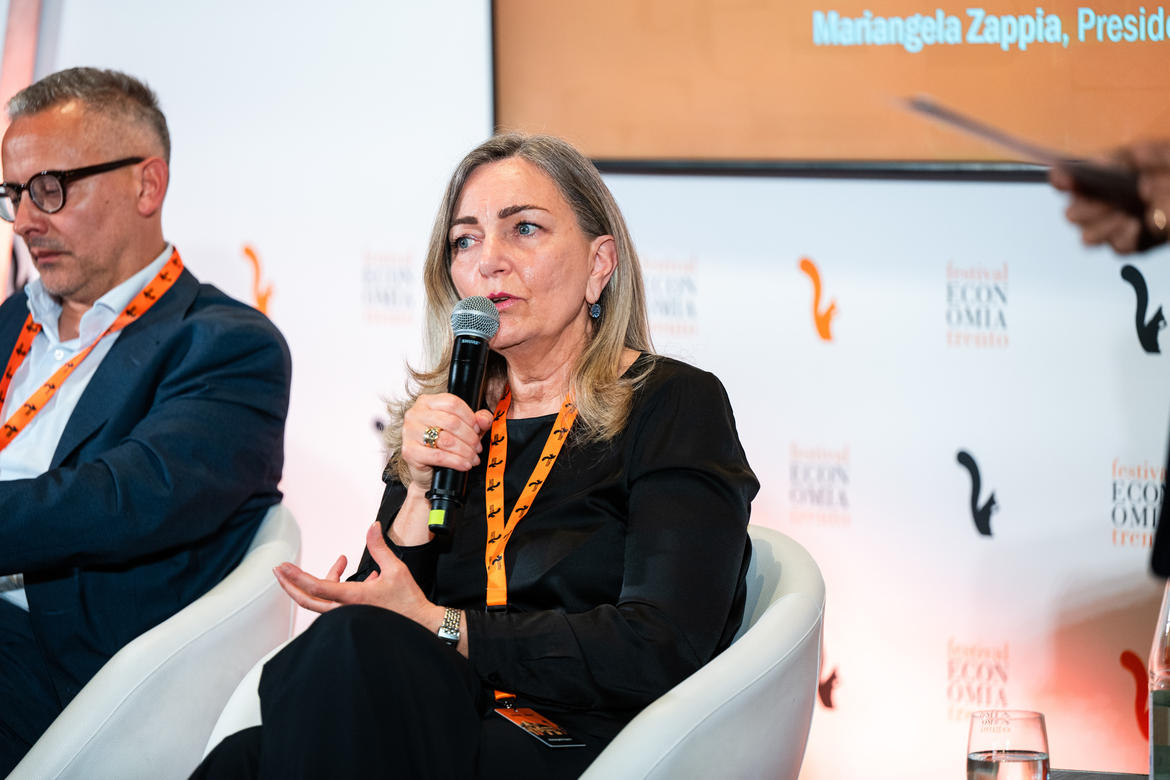
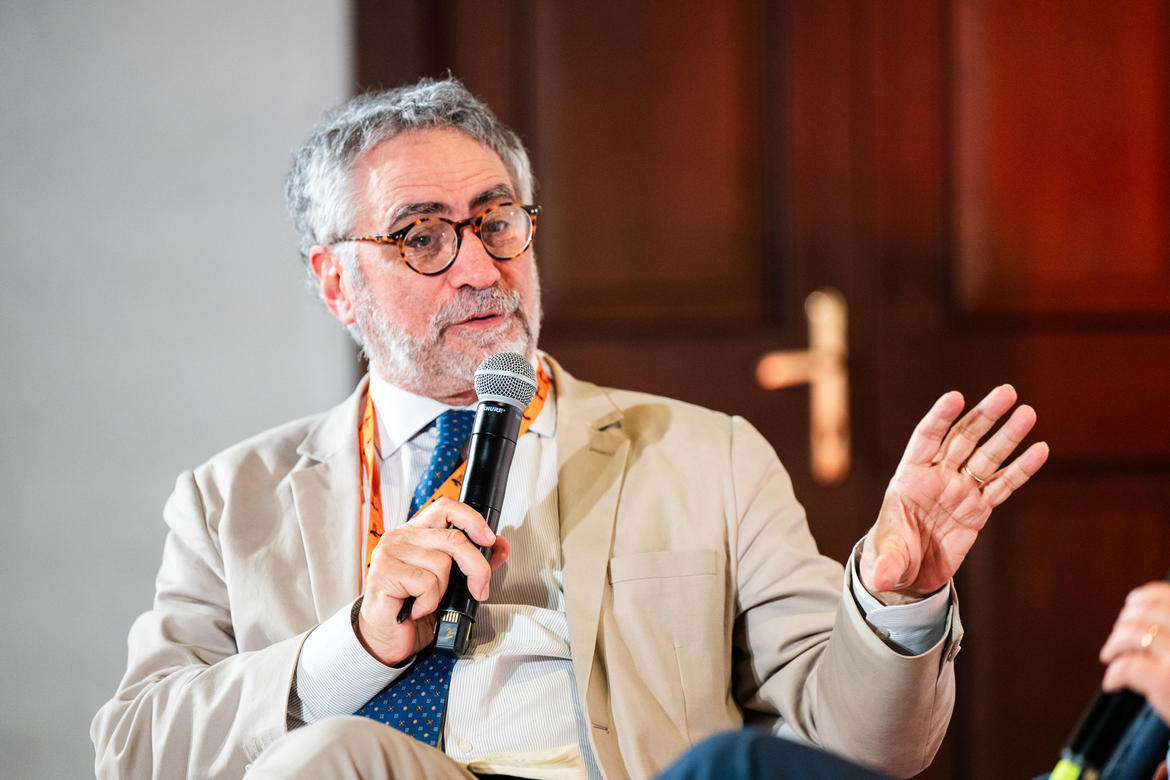
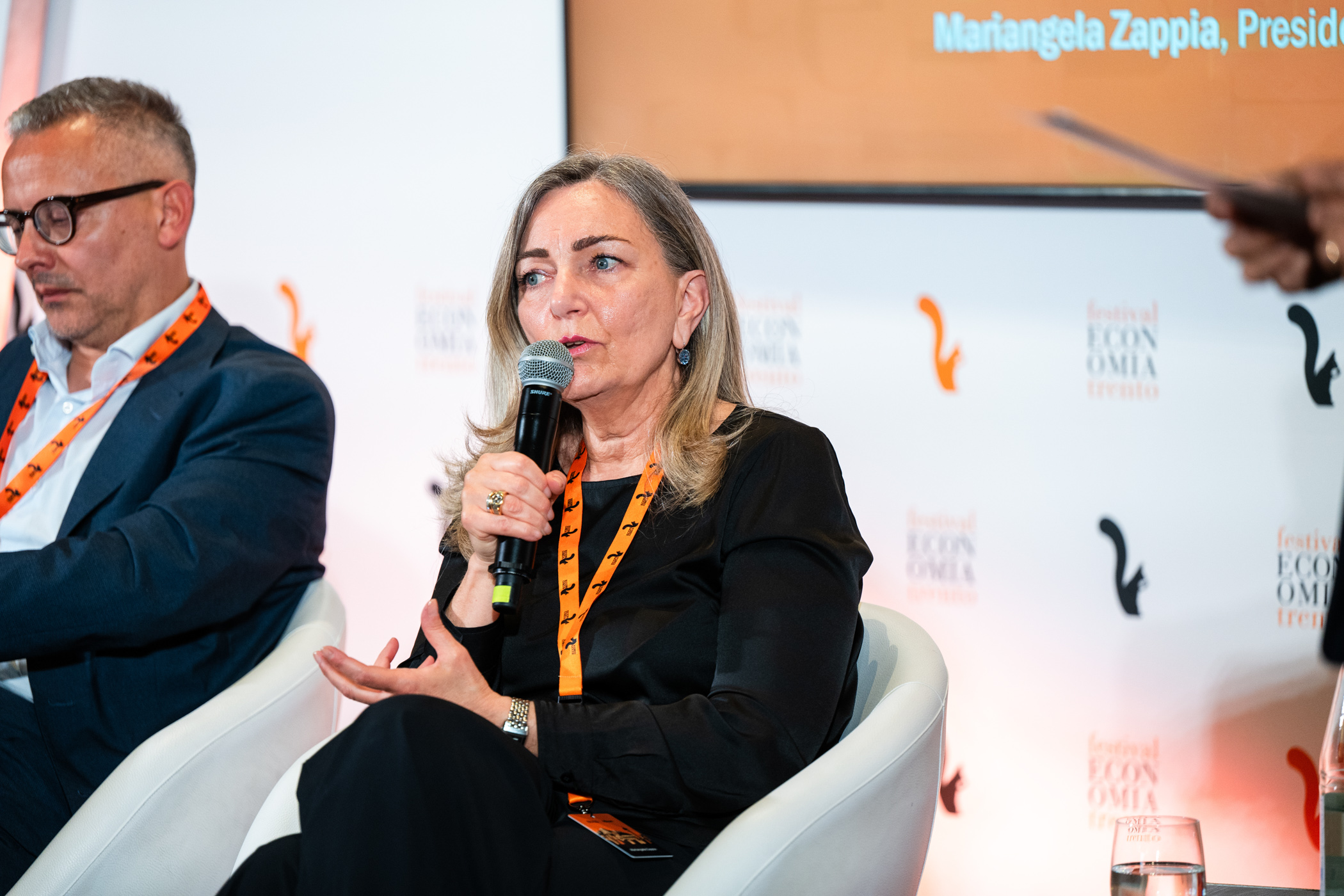
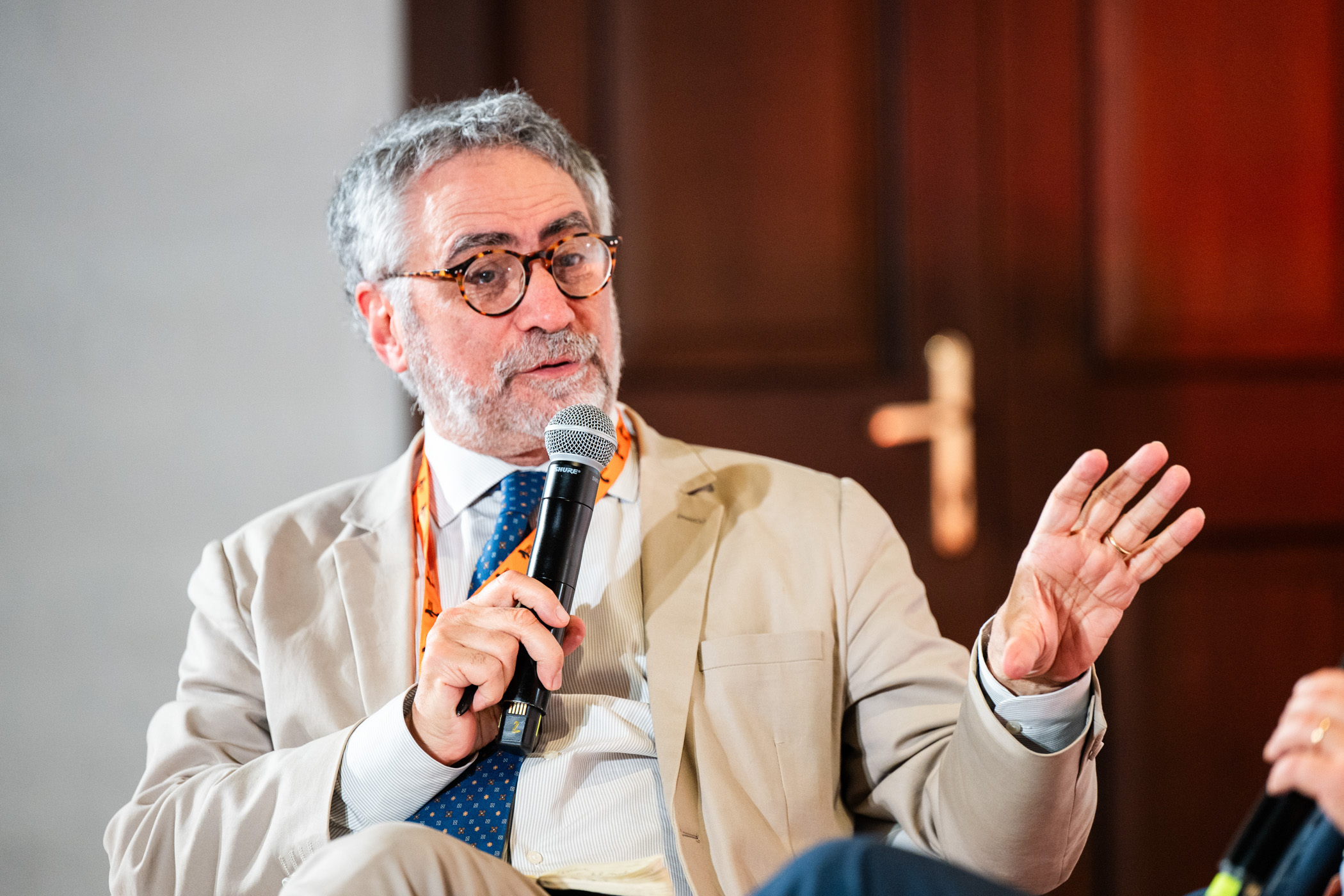
In foreign politics Zappia noted that "we will have to wait until the end for a full evaluation", but described the current phase of the Trump administration as chaotic, with the White House looking inward "after opening so many Pandora’s boxes that will it be hard to close”" She was surprised not so much by the targets of US foreign policy (e.g., Venezuela), but by how actions unfolded. Zappia also observed that Europe itself has become "a target, in a negative way", and stressed the speed of recent developments. When answering about the domestic landscape, Alegi described the US under Trump as "profoundly different compared to what we knew". The administration represents “an assault on the division of powers and on institutional balance”, pointing to controversial actions on tariffs, universities and federal authority. He further identified the attack on the 14th Amendment as particularly significant. "He is attacking this amendment to redefine who is American". What he found most surprising was the coexistence of "childish impulses", citing the transformation of the White House into something "more like Versailles". Del Pero said historical trends and polling indicate that Democrats will probably regain control of the House of Representatives in the midterm elections, while "the Senate remains much more difficult". He also criticised the current administration, arguing that "the level of corruption reached leaves people breathless. It is not even hidden, but openly flaunted".
Afterwards, the discussion focused on NATO, European defense and the future of transatlantic relations. Zappia stressed that the world is likely moving toward "more ceasefires that will leave conflicts open", rather than lasting peace agreements. Alegi argued that tensions within NATO predate Trump, recalling how the United States has long viewed Europe as "consumers of the American defense".He pointed to decades of declining European military investment and the dismantling of defense production chains: "we do not even produce ammunition anymore", he stated. According to Alegi, NATO remains "first a Western political community, and only after a military one", but Europe must now rethink its strategic role and capabilities, particularly in cyber defense and industrial capacity. Public opinion was described as increasingly concerned. As Del Pero said, "it’s a world where the governance architecture has imploded", and that what is needed now is "the creativity and the strength to re-built it".
In the Q&A with the audience, Zappia highlighted a possible shift away from traditional multilateralism, noting that "it will be difficult to find solutions in international institutions" and suggesting a move toward "a different future, with a more regional approach". Alegi highlighted the internal contradiction within NATO debates, asking: "If Europe did put 5% of GDP in defense, why should it then take orders?" and suggesting that a true European deterrent would reduce dependence, something that "the US does not want".