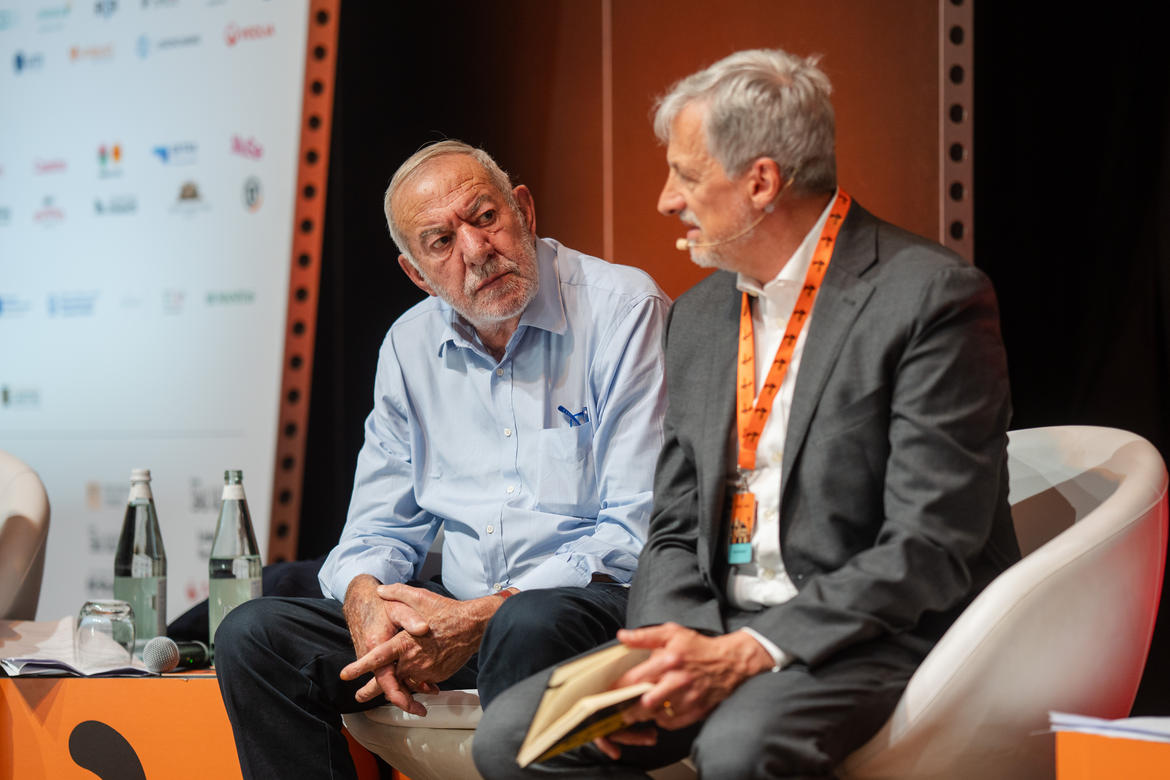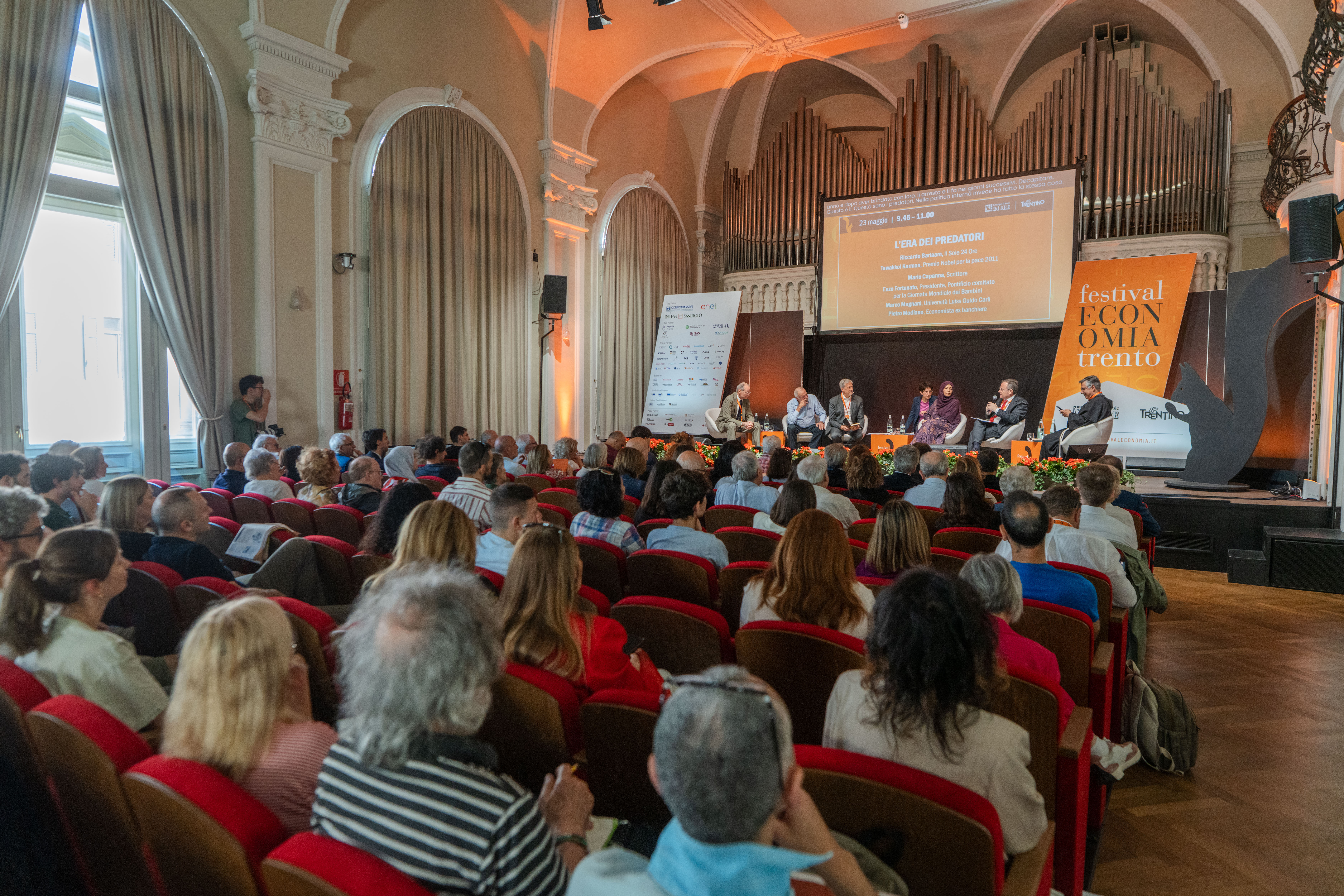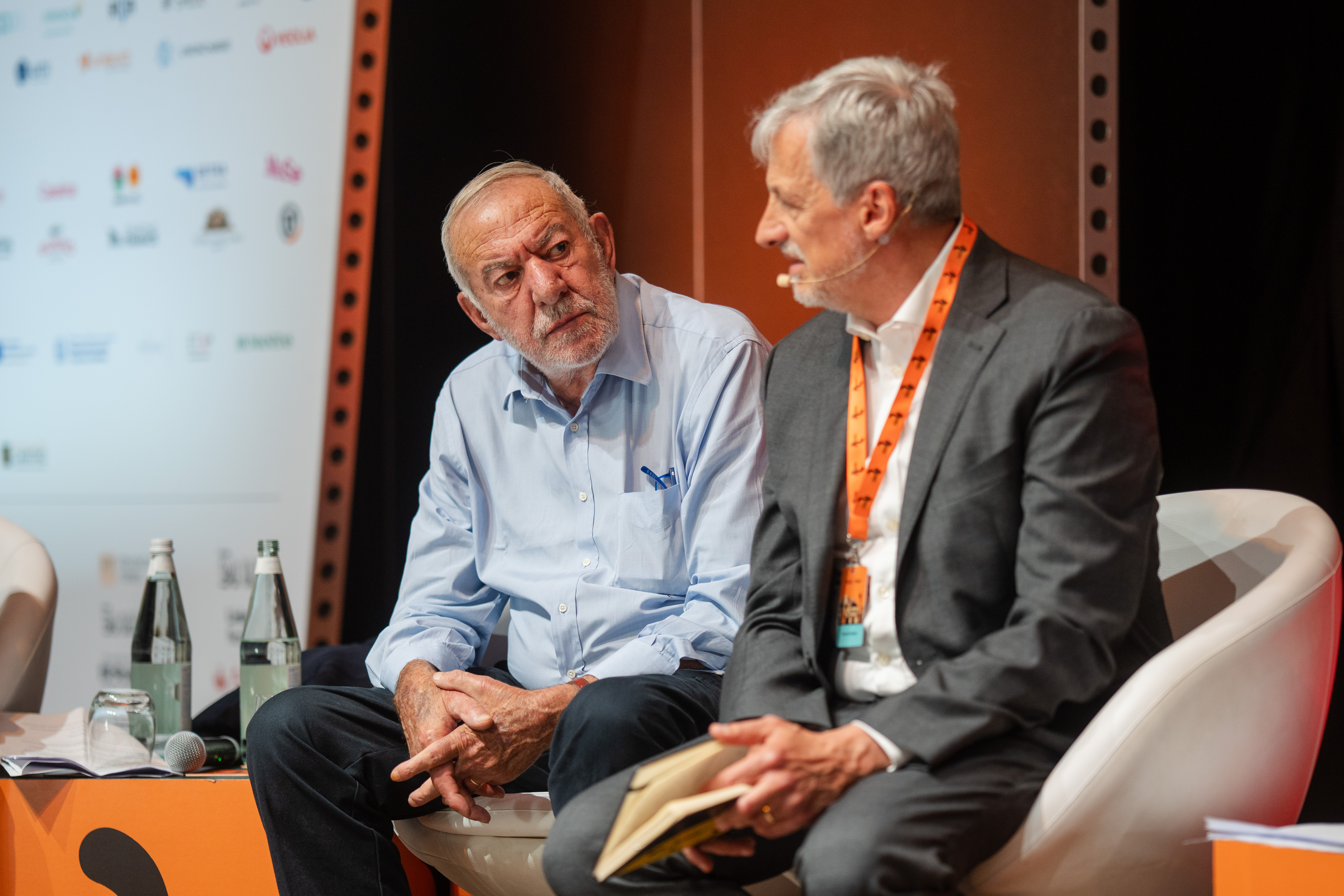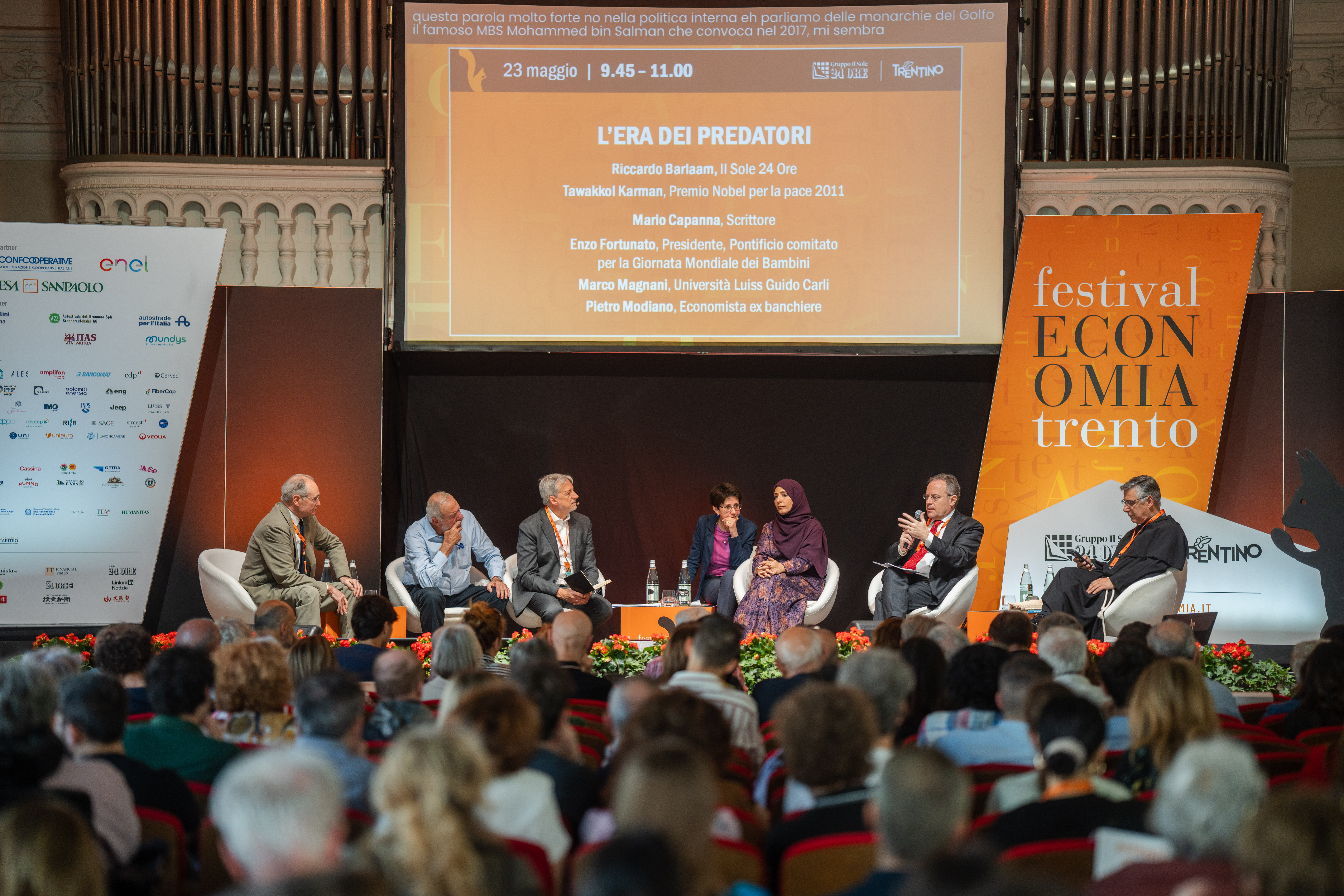






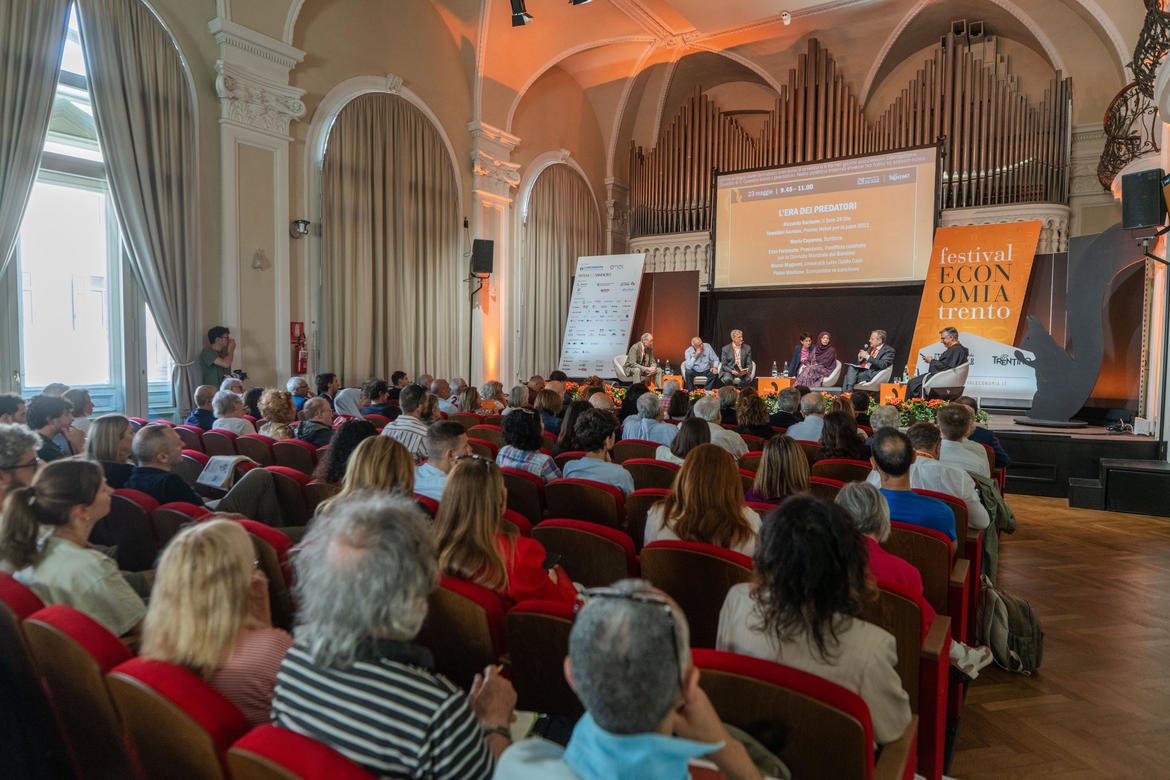
The event opened with a reflection on the global shift from diplomacy to power politics, the crisis of multilateralism, and the need for a renewed ethical and political vision capable of countering today’s predators. Marco Magnani described a world order increasingly shaped by force. He pointed to Russia’s invasion of Ukraine, Trump’s rhetoric on Greenland, and Xi Jinping’s position on Taiwan as signs of a new era in which “war has turned into a tool to solve controversies, and diplomacy is set aside”.
Pietro Modiano focused on the reaction of global finance to growing geopolitical instability, stressing that financial systems can manage uncertainty, but not unpredictability and permanent disruption. He recalled that globalisation, despite its contradictions, contributed to decades of relative peace and openness. Today, however, he sees a dangerous regression toward oligarchic concentration of wealth and power. Mario Capanna urged the discussion to focus on how to resist predators. He argued that climate change remains the defining crises of our time, even if public debate has shifted elsewhere. “This economy kills”, he said, echoing Pope Francis, while criticizing a system in which “1% of the population owns 99% of the wealth”. Capanna called for a deeper critique of profit, proposing the idea of “honest gain”. Looking ahead, he advocated for a new form of global democratic governance, including the possibility of a world parliament capable of making strategic decisions for humanity and the planet. Enzo Fortunato reflected on the relationship between religion, politics, and power, warning against the instrumentalisation of faith for political purposes. He criticised politicians who publicly display religious symbols while promoting hatred and exclusion, as “true religion doesn’t spread hate”. He concluded by expressing confidence in younger generations, adding that the most dangerous political leaders are not atheists, but those who manipulate faith for power.
The second round of the discussion focused on the geopolitical consequences of Trump’s expansionist approach, the risks generated by unregulated economic and technological power, and the urgent need for new political and ethical frameworks capable of preventing further global instability. Referring to Trump’s rhetoric on Venezuela, Gaza, and Greenland, Magnani argued that the US president is pursuing a strategy based on aggressiveness and distraction. “Trump wants to be remembered as the president who changed the world”, he said, suggesting that Cuba could become a way to divert public attention away from the situation in Iran. He also defended what he called “healthy globalisation”, stressing that “the free circulation of people and goods is an alternative way of acquiring resources instead of taking them by force”. Responding to the debate on profit and technocracy, Modiano argued that earlier forms of market economy contained stronger ethical and redistributive mechanisms than contemporary capitalism. “There was a morality in that economy”, he said, recalling periods in which extremely high taxation on excessive wealth coexisted with economic growth and social progress. He warned that today’s oligarchic concentration of wealth risks creating “a financial, military and economic system which will systematically bring us to war”. Capanna reiterated his criticism of contemporary globalisation,since it has produced the “1% society”. Meaningful political change will only be possible through “a revolution in thought”, based on the recognition that humanity shares one planet and one common destiny. He also expressed frustration about what he sees as a refusal to call things by their proper names, questioning whether Israel can truly be considered a democracy, since democracy is incompatible with torture. Fortunato addressed the growing tension between political power and religious authority, particularly in relation to attacks against Pope Leo. Religion is increasingly being used instrumentally within politics, while genuine Christianity should remain centred on peace, dignity and dialogue. He praised the Pope’s response as one marked by “determination and meekness”, which he described as essential qualities in times of political confusion.
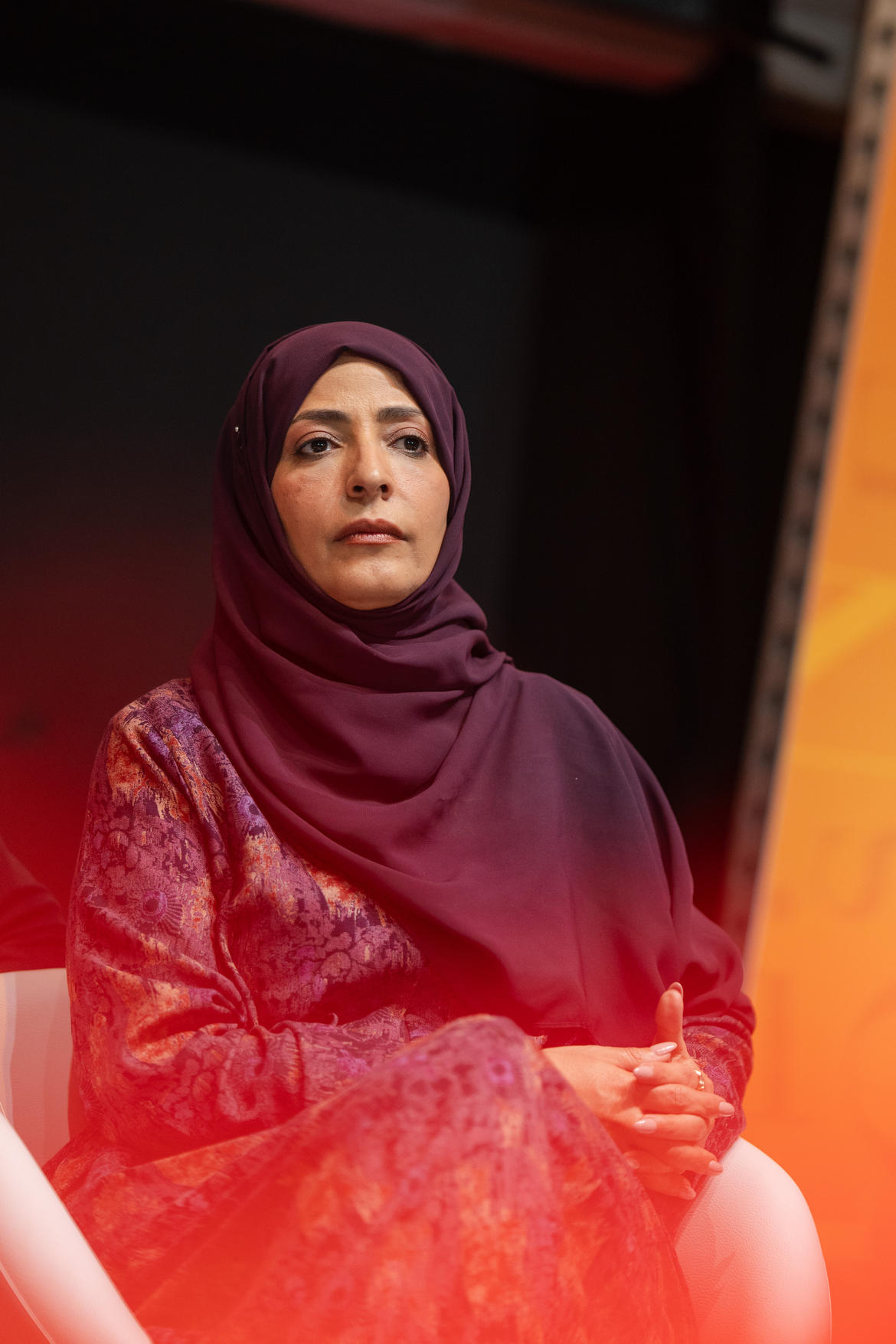
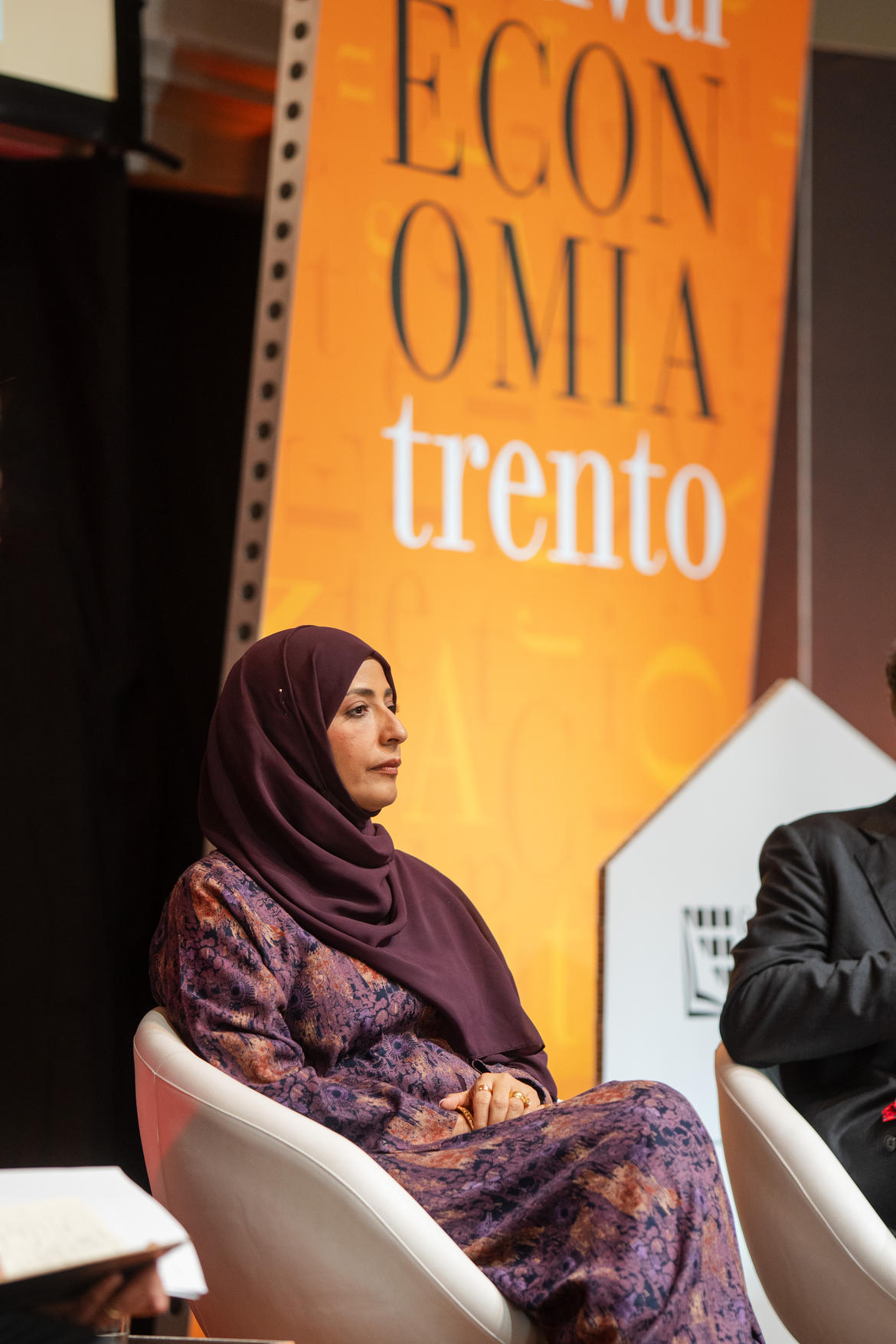
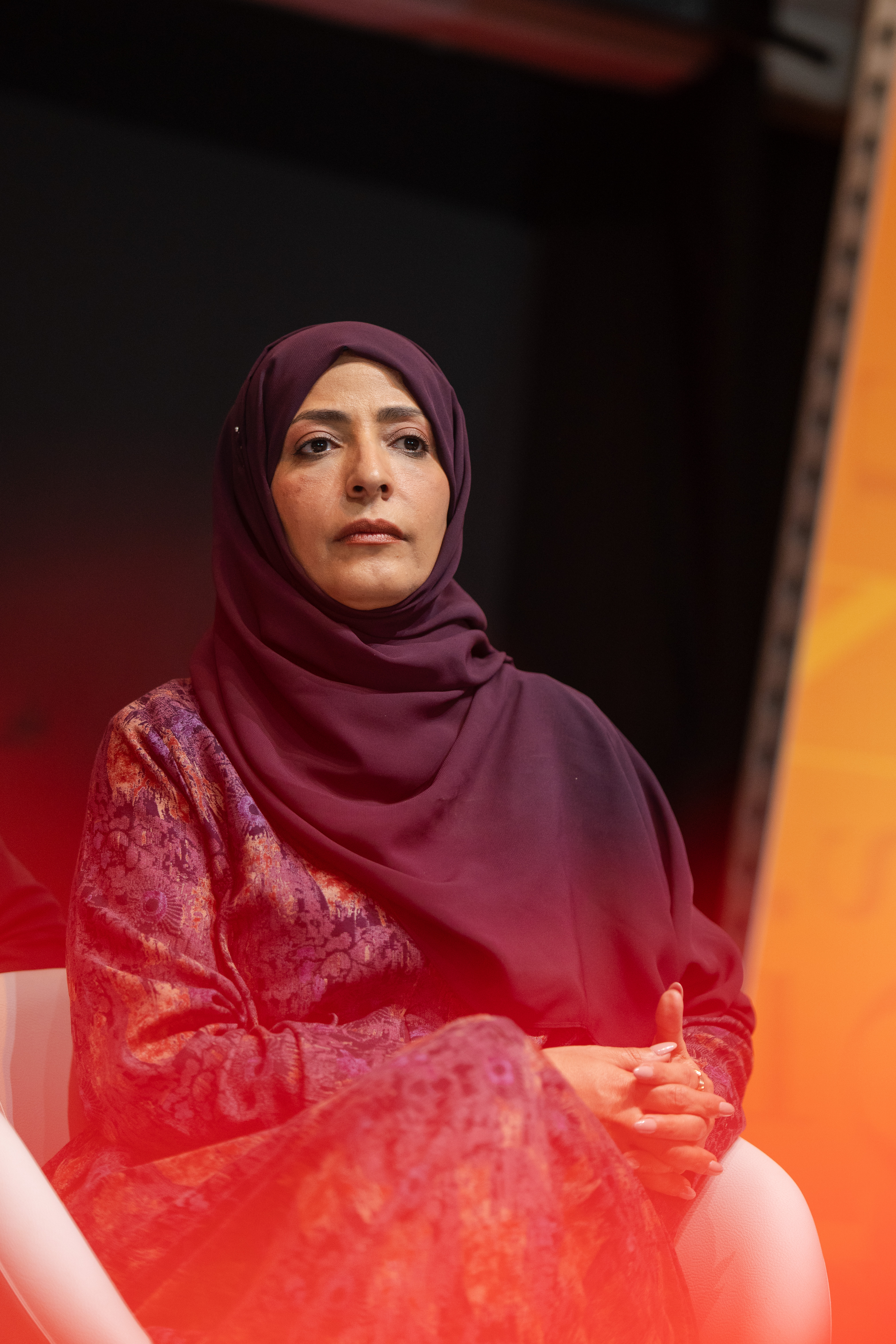
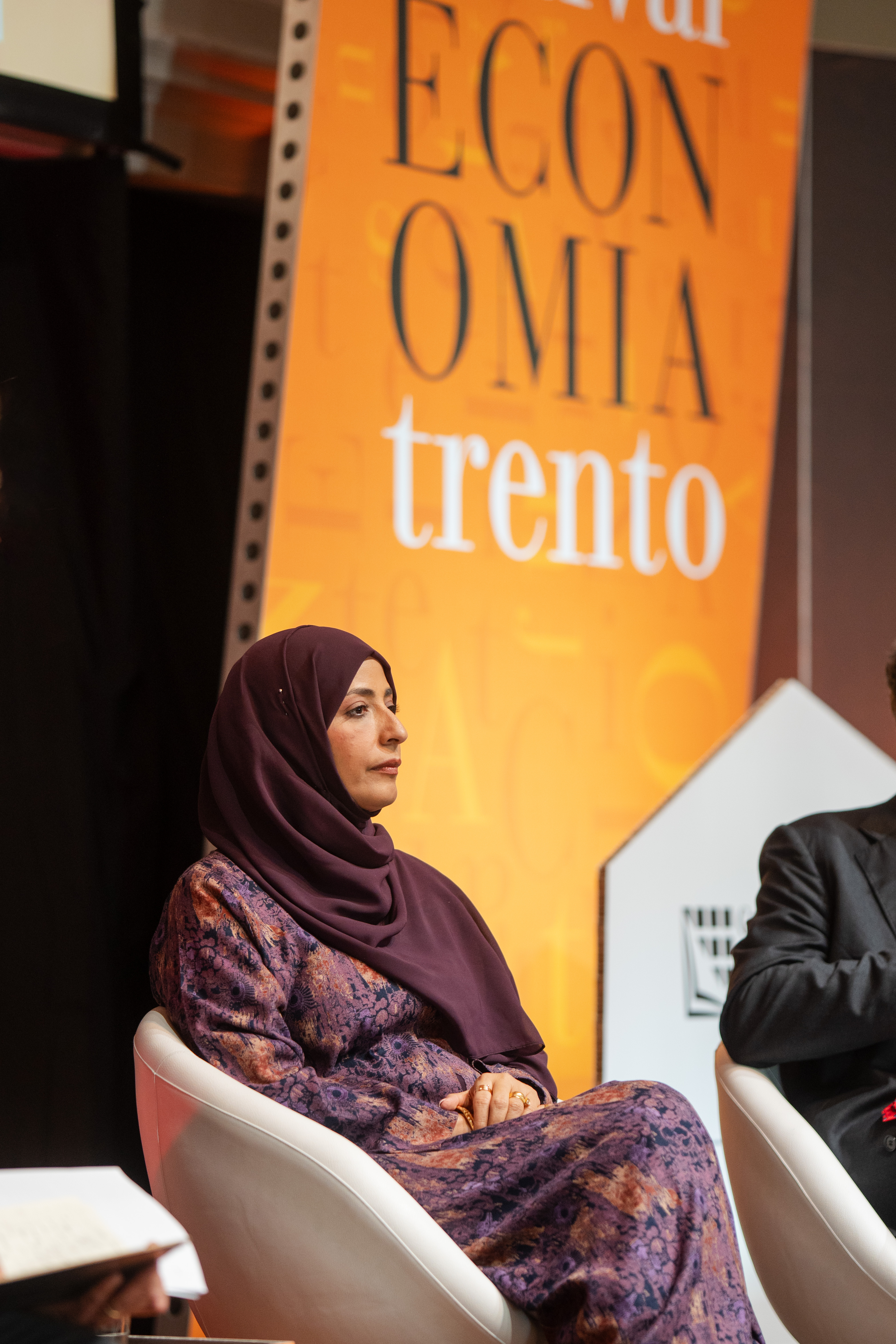
Closing the session, Nobel Peace Prize Laureate Tawakkol Karman described the current global situation as an “age of predators”, where people are increasingly pushed into a binary logic of victims or aggressors. “But we are humans, we need to live and help each other and build this world together”, she said, stressing the need to reject violence and division. She warned about the instrumentalisation of every faith - it has been so with Islam, and now with Christianity - and the rise of authoritarian dynamics across multiple regions. While acknowledging the importance of globalisation, she called for a “fair globalisation” based on social responsibility and equity, adding: “I am not against profit, but we need a fair profit. Profit means responsibility - paying taxes, and using them to build schools and hospitals”. Focusing on Yemen and the wider Middle East, she criticised regional and western powers for sustaining instability and blocking democratic change, arguing that external interventions often serve economic interests rather than people’s freedom. “Iran was on the verge of freeing itself when Trump and Netanyahu decided to attack it in order to seise its resources”. Despite the severity of the crisis, she closed on a hopeful note, pointing to a growing global awareness and civic mobilisation against authoritarianism and inequality.